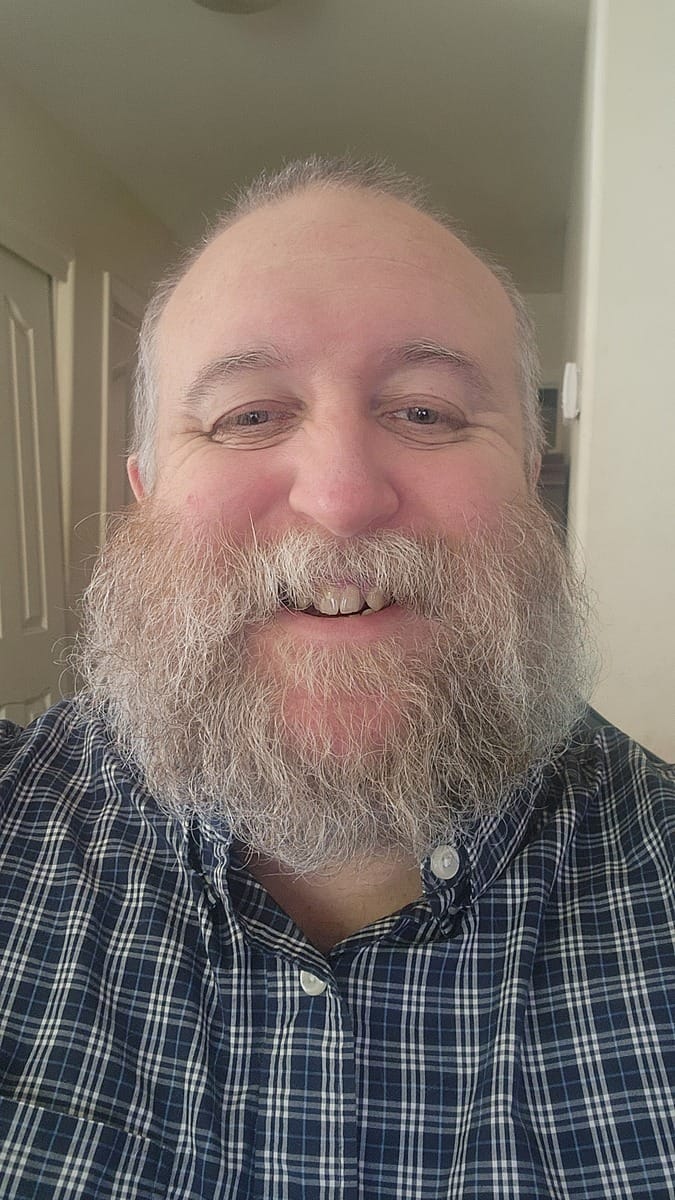
Introduction: A Veteran’s Path to Mental Wellness
I’m Jeff, a disabled veteran, former educator, and dad living in Arizona. My journey through the military, followed by over a decade teaching high school social studies and coaching, shaped how I see mental health. After toxic leadership in education triggered my PTSD and forced me to step away, I have leaned heavily on lessons learned in the military to manage the invisible wounds that never quite heal.
Now, alongside my wife Kari, I run JK Prints & Gifts, a small Etsy shop that helps spread PTSD awareness and offers tools for wellness. As a father, I am deeply aware of how unprepared many kids are to handle life’s stresses. In my years as a teacher, I watched how schools prioritized test scores over emotional and mental well-being. That has to change.
I want my kids to grow up equipped with mental health skills from the start—skills that helped me survive and thrive. So here are five of the most powerful mental health hacks I learned in the military that keep me grounded every day. These are not just for veterans. They are tools that schools, parents, and communities can and should teach all kids.

Gif by AllBetter on Giphy
The Problem: Mental Health Gets Shortchanged
In my 10 years in the classroom, I saw firsthand how schools often overlook mental wellness. It is all about test scores and benchmarks, with very little time or resources devoted to teaching kids how to cope with anxiety, stress, or trauma.
A 2023 study from the National Institute of Mental Health tells us that one in five children face mental health challenges. Yet curricula rarely include lessons on emotional regulation or resilience. When I tried to introduce these as an instructional coach, toxic leadership shut it down. That environment worsened my PTSD to the point I had to leave the job I loved.
Veterans face similar struggles. According to a 2023 VA study, about 20 percent report PTSD symptoms, yet stigma and lack of support make it hard to get help. This broken system is frustrating, especially as a dad who wants better for his children.
Our schools should be places that teach children not just what to know, but how to handle life when it gets hard. They should be teaching skills that build resilience, mental toughness, and self-awareness from a young age. I hope this post can help start that conversation.
5 Military-Inspired Mental Health Hacks
The military taught me how to stay strong under pressure, how to keep going even when everything inside feels like it is falling apart. These five mental health hacks have been crucial in managing my PTSD, depression, and anxiety. I believe they hold power for anyone facing stress and mental health challenges.
1. Build a Routine for Stability
One of the most grounding things I learned in the military is the power of routine. When every day feels unpredictable, a schedule becomes your anchor. It creates structure in the chaos.
I keep a simple daily routine that includes habits like morning walks and journaling. I use Canva Pro to design my own mood trackers and reflection journals, which help me stay aware of my mental state and track progress over time.
If schools taught kids to create their own routines and self-check systems early, they would have a powerful tool to manage stress and anxiety. It is a skill I wish had been available when I was teaching.
Resources to explore:
Moodfit app for tracking mood and habits
The Power of Habit by Charles Duhigg – a great read on building effective routines
2. Practice Tactical Breathing
In combat training, we practiced tactical breathing. It is simple but incredibly effective: inhale for 4 seconds, hold for 4, exhale for 4, and hold again for 4. This method calms your nervous system, helps regulate panic, and brings you back to the present moment.
I use tactical breathing to ease PTSD episodes and anxiety attacks. I also teach my kids to do it before tests or stressful situations. It is a tool they can carry their whole lives.
Schools should integrate short breathing exercises into the day. Five minutes here and there can make a huge difference. Too often, I saw classrooms focused solely on performance without teaching students how to manage the pressure.
Resources to explore:
Mindful.org tactical breathing guide
Calm app – guided breathing exercises and meditation

Gif by IntoAction on Giphy
3. Debrief to Process Emotions
After every mission in the military, we had a debrief. This was not just a report. It was a chance to process what happened, what went well, and what could be better. It was essential for mental clarity and emotional health.
I apply that same principle to my mental wellness now. Kari and I journal regularly, sometimes talking through what we are feeling and what is weighing on us. For JK Prints & Gifts, we design reflection prompts in our journals that help us and others unpack emotions.
Schools should encourage journaling or small group discussions where kids can express what they are feeling. Emotional literacy is critical, and it is missing in many classrooms.
Resources to explore:
The Artist’s Way by Julia Cameron – great for learning the power of journaling
The Center for Journal Therapy for ideas and tools on emotional processing
4. Focus on Physical Wellness
The military drills into you that your body and mind are connected. Physical fitness is not just about strength. It is about clarity and resilience.
Even on days when my PTSD is at its worst, I commit to walking or stretching. Movement helps release tension, boost mood, and improve sleep. I encourage my kids to stay active too, using our fun K-2 movement worksheets from our Etsy shop to make exercise engaging for them.
Schools must do more than just offer PE classes. They should integrate movement and wellness throughout the day to support mental health. This is something I advocated for as a coach, but rarely saw implemented.
Resources to explore:
GoNoodle – fun movement activities for kids
5. Find Purpose Through Service
Service gave my life meaning during my military years. Helping others helped me heal.
Now, I channel that purpose into creating PTSD awareness products and sharing our story through JK Prints & Gifts. I also involve my kids in simple acts of service, like volunteering and helping neighbors, to teach them that purpose comes from giving back.
Schools should prioritize service-oriented projects to help students connect with their communities and build empathy. Purpose is a powerful antidote to despair, and it is missing in too many curricula.
Resources to explore:
DoSomething.org – volunteer opportunities for youth

Gif by IntoAction on Giphy
Mental Health Support Is a Societal Focus
Mental health is not just a personal struggle or an individual issue. It is a societal responsibility. When we care about each other, when communities come together to support mental wellness, we can create a world that is more compassionate, resilient, and hopeful.
Mental health support should be woven into every part of society, including schools, workplaces, neighborhoods, and families. The stigma around mental health breaks down when we share our stories, listen without judgment, and offer help freely.
If we commit to this kind of care for each other, we can make this place better. For veterans like me, for teachers like Kari, for kids growing up in uncertain times, knowing that mental health matters is the first step toward healing and growth.
We all have a role to play in building a culture where no one has to suffer alone.
Why It Matters: A Veteran Dad’s Call for Change
These five mental health hacks: Routine, breathing, debriefing, physical wellness, and service, are more than just strategies. They are lifelines. They help me manage PTSD, be present for my family, and keep moving forward.
I saw too many schools fail their students by ignoring mental health education. I know what it is like to be trapped in a toxic system that breaks people instead of building them up. That experience nearly broke me.
But the lessons I learned in the military gave me a foundation to rebuild. They gave me tools to fight back against the darkness.
My hope is that schools, parents, and communities will recognize how vital these skills are and start teaching them early. Our kids deserve to grow up resilient, self-aware, and ready for whatever life throws their way.
Join the Conversation
Are you a veteran, parent, teacher, or someone navigating mental health challenges? What strategies have helped you stay grounded? Please share your experience in the comments. Your story might be the encouragement someone else needs today.
Subscribe to Veteran Perspectives for honest conversations about mental health, healing, and family life after service.
And if you want to support our mission, check out our PTSD awareness products at JK Prints & Gifts. Every purchase helps us keep spreading hope and awareness.
We are in this together. Let us thrive.